


At MedStar Health we are committed to providing patients and caregivers with tools and resources throughout your cancer journey.
Below you will find helpful information, resources, videos, and support group information associated with side effects you may be experiencing.
If you are in cancer treatment and experiencing one of the following, please call your care team right away.
- Have not eaten or had liquids for 24 hours
- Have not passed gas, urine, or had a bowel movement in 24 hours
- Have vomited four to five times in 24 hours
- Have severe diarrhea that does not improve with medications
- Have trouble breathing
- Have flu-like symptoms
If you experience a fever of 100.4 or higher, go to the emergency room and call your care team or your cancer clinic’s 24-hour line.
Managing appetite changes
Appetite changes, or not feeling hungry, can be a common side effect of cancer treatment. Other side effects like taste changes or mouth sores can also make eating and drinking difficult.
-
What are appetite changes and when should I worry?
There are many ways to help manage your appetite and eating habits at home. However, if you are unable to eat or drink, or notice rapid weight loss, call your care team right away.
If your care team prescribed you appetite stimulants or specific nutrition supplements, take them exactly as you were told! If you cannot remember, ask them to write it down for you. Eating well is a key step to helping your body stay strong.
-
Watch and learn
Video: Nutrition during cancer treatment

-
How can I manage my appetite?
-
Eat at set times instead of waiting for hunger.
-
Snack on fruit smoothies or shakes.
Managing taste changes:
- If food tastes metallic, use plastic utensils.
- Marinate meats in sweet fruit juices.
Managing mouth sores:
- Rinse with a solution of 1 tsp salt, 1 tsp baking soda, and 8 oz water.
-
-
When should I contact my care team?
If your eating and drinking habits aren’t getting better, talk to your care team about:
- How your appetite changes are impacting your daily life, energy, and comfort.
- Things that work (or don't work) for you.
Be sure to take medicines or supplements as directed, but if they aren't working, call your care team.
-
Additional trusted resources
Relief from constipation
Constipation can be a common side effect of cancer treatment. Constipation is when you have hard, dry bowel movements or go to the bathroom less often than usual.
-
What is constipation and when should I worry?
There are many ways to help manage constipation. But if you do not have bowel movement for 48 hours, call your care team.
Constipation can make you feel bloated and uncomfortable. It’s important to manage constipation to keep your strength up.
If your care team prescribed you medications like stool softeners, take them exactly as your care team told you to! This is a key step to helping your body heal.
-
How can I manage dietary choices?
Morning routine: Drink a hot beverage (like lemon water or prune juice) in the morning. This can help stimulate your bowels.
Add fiber: Include kidney beans, chickpeas, and bran cereals in your diet.
Stay hydrated: Drink plenty of fluids throughout the day to help soften your stool.
-
How can I best manage my medications and safety?
Talk to your care team about whether you should take a stool softener (e.g., Colace®) or a mild laxative (e.g., MiraLAX®).
Important warning: Avoid enemas or suppositories due to infection risk.
-
When should I contact my cancer care team?
Be sure to take medicines as directed, but if they aren't working, call your care team. If your constipation isn’t getting better, talk to them about:
-
How it’s impacting your daily life and comfort.
-
Things that work (or don't work) for you.
-
Whether any of your other treatments (like pain medications) might be contributing to the problem and how to balance them.
-
-
Watch and learn
Video: Managing constipation

-
Additional trusted resources
Managing diarrhea
Diarrhea is a condition where feces pass from the body frequently and in liquid form. It is common for patients with cancer to experience some diarrhea.
Diarrhea may be due to many causes – for example, your cancer treatment, infection, or use of antibiotics. It can also develop because of changes to your diet. If you experience weight loss from diarrhea, it may be because your body does not have enough water (dehydration).
If you have diarrhea that won’t stop (4-6 times) for 24 hours, call your care team and let them know.
-
How can I prevent and treat diarrhea?
Here are some tips for things to eat to prevent and treat diarrhea:
- Try the BRAT diet: Bananas, Rice, Applesauce, and Toast
- Eat low fiber foods like skinned chicken, turkey, mild white fish, potatoes, white rice, white/potato toast, and pasta.
- Eat potassium-rich foods like orange juice, tomato juice, bananas, and potatoes.
- Try breads made from refined flour without seeds or nuts (e.g., oat flour).
- Avoid greasy, spicy, or high fiber foods (e.g., popcorn) as these foods can make diarrhea feel worse.
- Avoid gas forming foods & beverages (e.g., beans, cabbage, carbonated drinks).
- Avoid raw vegetables and the skins, seeds, and stringy fibers of unpeeled fruits.
- Avoid herbal and probiotic supplements unless discussed with your dietitian or health care provider.
Drink 8-10 glasses of room-temperature liquids to help prevent dehydration.
- Include water, teas, broths, ginger ale or fruit juice.
- Include electrolyte replacement solutions such as Gatorade, Pedialyte, Liquid IV.
- Limit caffeine, like coffee and soda.
-
I already have diarrhea, what medicine can I take?
Ask your care team if you can take Imodium (an over-the-counter medicine) to help keep things more solid. If approved, the dose is two tablets after your first diarrhea, then one after each subsequent loose stool. Do not have more than six Imodium a day.
-
Watch and learn
Video: Managing diarrhea and constipation during cancer treatment
-
Additional trusted resources
Caregiver Series: Managing Side Effects - Diarrhea

Falling and balance: Preventing falls at home
Trouble with balance and falling can sometimes happen when you’re going through cancer and cancer treatment.
-
What does it mean if I have trouble balancing and when should I worry?
There are several things that can cause trouble with balance, including your fitness level, having vision problems, your cancer treatment, muscle weakness, low red blood cell counts, and not eating or drinking enough.
If you have trouble with balance, are at risk of falling, or have had a fall, it’s important to tell your doctor. While not always serious, it’s important your care team knows. Treatment for falling can include physical therapy, symptom management, medication changes, and support services.
Talk to your care team if you find yourself having trouble balancing. They are here to help you and can offer you referrals or solutions. And if you ever fall down and hit your head, have a fever over 100.4 degrees Fahrenheit, start bleeding, or lose consciousness, immediately have someone take you to the emergency room or call 911.
-
How can I manage falling and balance?
Here are some tips to helping your balance at home:
-
Be aware of tripping hazards around your home and try to remove anything that can hurt you, including area rugs, uneven floors, pets that are around your feet, and piles of clutter.
-
Increase your strength and balance by incorporating daily physical activity and eating foods that build muscle.
-
Add extra lighting to ensure that your rooms are lit well enough so you can see where you’re walking.
-
Use bathmats, shower mats, and non-slip mats in the bathroom and in the tub/shower. You can also use shower chairs to prevent fall risks while bathing.
-
Move around carefully and don’t be afraid to ask for help. Use canes and walkers if you need to help you navigate around open areas. You can ask your care team for help with choosing a cane or walker that is the right size for you.
-
When receiving an infusion, know that drugs like Benadryl, Ativan, and Xanax can cause dizziness. If you receive any of these, ask a staff member to walk with you.
-
Wear shoes that fit correctly and can either lace up tightly or velcro close. Be careful of untied shoelaces.
-
When moving from a seated/lying down position to standing up, move slowly. Some people are affected by postural hypotension, which creates a feeling of dizziness when standing up from a seated position.
-
-
When should I contact my cancer care team?
If your balance isn’t getting better, talk to your care team about:
-
How it’s impacting your life.
-
Things that work (or don’t) for you.
-
What strategies you would like to try, like a referral to physical or occupational therapy.
-
-
If you are a caregiver caring for someone who falls:
-
Call 911 if they aren’t breathing, are unconscious, or if they are bleeding or have fluid coming from their mouth, ears, or nose.
-
Wait for help and in the meantime, don’t move the person until you know if they are seriously hurt or if they are in pain. If they aren’t in pain or seriously hurt, help them move to a more comfortable position.
-
If the person is injured, ice the area and apply pressure to any open wounds.
-
-
Watch and learn
Video:
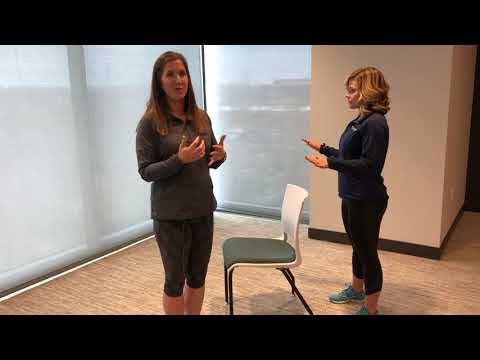
Cancer Support Services at Home – Balance Exercises
Video: Improving balance in people with cancer
-
Trusted resources
Managing cancer-related fatigue
Experiencing fatigue is a very common symptom of cancer and cancer treatment. Common symptoms of fatigue include tiredness that doesn’t improve with sleep, feeling too tired to do the things you normally do, heaviness in your limbs, feeling sad or irritated at things that normally wouldn’t bother you, weakness, and trouble concentrating.
Fatigue is sometimes a symptom of other side effects too, like depression, mood changes, or physical changes to your body. While not always serious, it’s important your care team knows when you are experiencing serious fatigue. They may be able to help.
There are many things that can cause fatigue, including your cancer treatment, low red blood cell count, pain, mood changes, trouble falling or staying asleep, problems with your nutrition or eating, certain medications, and other health conditions.
Treatment for fatigue can include changes to your medication, treating other symptoms that make fatigue worse, sleep therapy, and nutrition changes, among others. Fatigue is the most common side effect of cancer treatments like chemotherapy and radiation. Listen to your body. You know best what you need to do to recover.
Talk to your care team if you find yourself dealing with fatigue. They are here to help you and can offer you referrals or solutions.
-
How can I manage fatigue?
Here are some tips for treating your fatigue at home.
-
Try to incorporate physical activity in a way that feels doable to you. Low-intensity aerobic exercise like walking and stationary cycling can actually help improve your energy. Start slow and add activity over time.
-
Prioritize your nutrition: Eat at set times rather than relying on hunger cues, which can be affected by your cancer or treatment. Stay hydrated with a goal of 8-10 glasses of fluid a day.
-
Rest, but be careful not to oversleep or rest too much. Sometimes too much rest can lower your energy and make it hard to fall asleep and stay asleep at night.
-
Manage your stress and moods. Sometimes fatigue can be caused by mood changes or disorders. You can try relaxation techniques (deep breathing, gentle yoga), joining a support group for people your age or with your kind of cancer, or consider seeing a therapist.
-
Prioritize your sleep at night. Try to get at least 7 hours of sleep each night, avoid caffeine and your phone or screens a few hours before bed, and try to limit napping during the day to only 30 minutes.
-
-
When should I contact my cancer care team?
If your fatigue isn’t getting better, talk to your care team about:
-
How it’s impacting your life.
-
Things that work (or don’t) for you.
-
What strategies you would like to try, like changes to your medication or a referral to a therapist or support group.
-
-
Watch and learn
Video - Easing cancer-related fatigue

-
Trusted resources
Managing insomnia and sleep
Many things can keep you up at night when you’re going through cancer treatment. Some things that might impact your sleep include:
- Your cancer treatment. Specific medicines and treatments can keep you awake.
- Your thoughts. Worry and stress are common during cancer treatment and make it hard to fall asleep.
- Your environment. Screens, loud sounds, and bright light can keep you awake at night.
Keeping a sleep diary can help you talk to your care team when you’re having trouble sleeping. Record when you sleep and wake up, what works to keep you asleep, and what has kept you awake.
-
What can I do when I am having trouble sleeping?
Tips for when you are having trouble sleeping:
-
Keep a sleep schedule. Start getting up and going to sleep at the same time each day.
-
Put screens away. iPads, phones, computers, and TVs can disrupt your sleep. Turn off screens an hour before bed.
-
Plan a bedtime routine. Find quiet ways to relax in the time before bed. Gentle stretching, meditation, prayer, or a hot cup of herbal tea!
-
Make your sleep environment comfortable. Keep the room dark, quiet, and cool. Try a sleep mask to keep light out or a fan or noise machine for background noise if you are disrupted by noise from outside.
-
Only use your bed for sleeping and intimacy.
-
Avoid large meals in the couple of hours before bed.
-
Avoid tobacco, nicotine, and alcohol before bed.
If you can’t fall asleep within about 20 minutes, or if you wake up and can’t go back to sleep, it’s time to try something new. Get up and go to a different part of your home. Stay in a darkened room and do something relaxing, like reading a book. Don’t go back to bed until you feel sleepy again.
What you do during the day can also impact your sleep:
-
Avoid caffeine after mid-afternoon.
-
Nap sparingly. If you need a nap, keep it to 30 minutes or less. Try to nap only once a day.
-
Get physical activity every day, like walks. It’s best to do your activity in the morning or afternoon.
-
-
Watch and learn
Video - How to improve your sleep
-
Additional trusted resources
Managing mood changes
It is common to experience mood changes, but certain types of mood changes, such as anxiety or depression, can interfere with your daily life. Feelings of anxiety, depression, mental distress, and other tough emotions are a normal response to having cancer. But when you find that these emotions are harmful to you, or if they’re not getting better over time, it becomes important to find care.
-
What are mood changes and when should I worry?
There are a lot of things during cancer that can influence the way you feel. These include stress, body changes, sleep, nutrition, genetics, drug and substance use, and other life events. According to the American Cancer Society, one in four people who have or had cancer experience depression.
Talk to your care team if you find yourself having trouble with your mental health at any point. They are here to help you and can offer you referrals or solutions. And if you ever are thinking about harming yourself or other people, please go to the emergency room, call 911, or call the suicide and crisis lifeline at 988.
-
Watch and learn
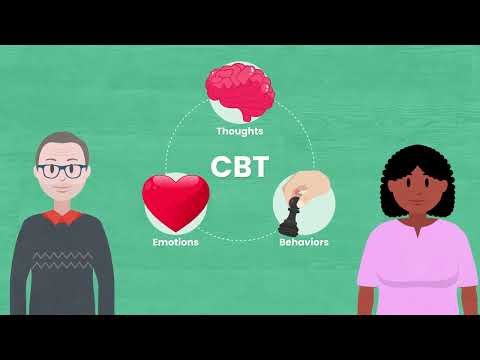
Video: Cancer and Your Mental Health
-
How can I manage mood changes?
Managing these mood changes can be very personal. Many people look to talk therapy, medications to help manage mental symptoms, or both. Other people might look to lifestyle changes, such as getting exercise that feels good to you or trying to do things like meditation or journaling. Here are some tips for managing your feelings at home.
-
Try to exercise consistently. Research shows it is helpful for your mood! You can try to do things like going for walks or practicing gentle stretching or yoga.
-
Practice deep breathing. For example, try “box breathing,” where you slowly breathe in for four seconds, hold your breath for four seconds, slowly exhale for four seconds, and hold your breath for four seconds again. Repeat this as many times as needed.
-
Find someone to talk to. This can be a professional, like a therapist who can help your work through your feelings. You can also talk with members of your support system, like friends, family, or people who have also gone through similar experiences.
-
Use a journal to write down your thoughts and feelings. This can help you process your emotions and your experiences.
-
Prioritize sleep – aim for at least 7 hours a night.
-
Eat a balanced diet, including proteins, carbohydrates, healthy fats, and fruits and vegetables. Drink water and remain hydrated.
-
Talk to your care team and ask questions. They may be able to help you manage your symptoms, answer questions about things you aren’t sure about, suggest medications, and recommend therapists or support groups.
-
For caregivers, don’t feel guilty about prioritizing your own health. Take care of yourself using any of these suggestions that work for you. It is normal for you to feel mood changes too.
-
-
When should I consult with my care team?
If your mood changes aren’t getting better, talk to your care team about:
-
How they are impacting your life.
-
Things that work (or don’t) for you.
-
What strategies you would like to try, like therapy, support groups, medications, or something else.
-
-
Support groups
Joining a support group is a good way to find community. Below are some free resources to help find your group!
American Cancer Society online support groups
American Cancer Society – search for local groups in your area
-
Additional trusted resources
Managing nausea and vomiting
Nausea, feeling “queasy,” or having an “upset stomach” can happen before vomiting or “throwing up.” Both can be common side effects of cancer treatment.
-
What is nausea and when should I worry?
There are many ways to help manage nausea and vomiting. But if you vomit 4-5 times in a day or can’t eat for a 24-hour period, call your care team right away.
Vomiting too much can lead to dehydration (when your body doesn’t have enough water), make you feel tired and “groggy,” and make you lose weight. So it’s important to manage nausea and vomiting to keep your strength up.
If your care team prescribed you anti-nausea medications, take them exactly as your care team told you to! This is a key step to helping your body heal.
-
Watch and learn
Video: Managing nausea and vomiting
Video: Chemo nausea and vomiting

-
How can I prevent nausea?
Here are some ways you may be able to prevent nausea:
- Be sure you eat on the days you go for treatment.
- Get fresh air after eating.
- Wear loose fitting clothes.
- Avoid sights, sounds, and smells that may make you feel unwell.
- Avoid eating spicy, greasy, or fried foods. Fat takes longer to digest than protein or carbohydrates, so it stays in your stomach for longer.
- Try to include protein in your diet. Your care team can recommend whether nutrition supplements like Boost may help.
- Take your medicine at least 30 minutes before eating. If you cannot keep pills down, tell your care team. Some anti-nausea medicine can be given in a non-pill form.
- Do not lie down for at least two hours after eating.
- Take walks or exercise before you eat, instead of after.
-
How can I manage nausea?
-
Keep your mouth clean – brush your teeth and rinse your mouth after you vomit.
-
Eat smaller meals or snacks throughout the day.
-
Eat slowly whenever you feel like eating.
-
Try sucking on peppermints or ginger candies.
-
Try food that is cold or at room temperature.
-
Slowly drink or sip liquids throughout the day. A straw may help.
-
To reduce the feeling of nausea, take slow deep breaths through your mouth.
Here are some tips for things to eat when you’re feeling nauseous:
Eat a “BRAT” diet (Bananas, Rice, Applesauce, and Toast) or other dry, bland foods that are easy to stomach such as:
- Oatmeal, rice, or Cream of Wheat
- Boiled potatoes or noodles
- Low-fat protein sources such as skinned chicken or baked tofu
- Peaches or other soft, mild-tasting fruits and vegetables
- Try eating dry starchy or salty foods such as saltine style crackers, toast, natural potato chips and pretzels.
You can also track your nausea by writing down food(s) or events that trigger it.
-
-
How can I manage vomiting?
-
Do not eat or drink until your vomiting is under control.
-
Try tiny amounts of clear liquids such as water. Other liquids like bouillon/broth, apple/cranberry juice, fruit ices, ginger ale/7-Up and sports drinks such as Gatorade could also help. You can also try eating Jell-O or popsicles.
-
Begin drinking liquids slowly. Try 1 teaspoon every 10 minutes, then 1 tablespoon every 20 minutes, and then try 2 tablespoons every 30 minutes or as your body allows.
-
-
When should I contact my care team?
If your nausea and vomiting aren’t getting better, talk to your care team about:
-
How these symptoms are impacting your life.
-
Things that work (or don’t) for you.
-
What strategies you would like to try, like guided imagery exercises or biofeedback.
Be sure to take medicines as directed and if they aren’t working, call your care team.
-
-
Additional trusted resources
Understanding and controlling pain
Not all people with cancer will have pain. But if you do have pain, it can be managed. Keeping pain managed is an important part of your cancer treatment.
Your care team may prescribe other medications for managing pain. Taking your medicines as prescribed is a key way to make sure they are working the way they are supposed to.
-
Talk to your care team about what pain medications you can take during your treatment, and how often you can take them.
-
Some medicines (like NSAIDS) can cover up a fever, hiding that you have an infection. So it’s important to follow your care team’s directions with pain medicine.
-
What causes pain?
-
Pain from the tumor. When cancer grows, it can press on bones, nerves, or body organs. This can cause pain.
-
Procedures. Certain medical procedures in cancer care could cause pain. For example, surgeries to remove the cancer can cause pain.
-
Cancer treatment. Chemotherapy, radiation, and other treatments can sometimes cause pain.
No matter what, it’s important to know that your pain can be managed. How much pain you feel, how long the pain lasts, and what it feels like can be different for everyone.
Pain can also lower your energy levels and mood. Below are some tips and tricks for talking to your care team and managing cancer pain.
-
-
What are other ways I can control my pain?
Heat and cold. Talk to your care team before applying heat or cold during your treatment. Heat can relieve sore muscles, and cold can numb pain.
Breathing. Try breathing in for three counts, holding the breath for three counts, and releasing for three counts.
Meditation. It can help you reduce pain, anxiety, and stress. A goal while meditating is to focus on breathing and quieting the mind. Have an open approach to distracting thoughts or emotions. When they occur, bring back attention to breathing. Here is a link to some free mindfulness meditation resources.
Distraction. Try distracting yourself with something like a movie or other form of entertainment.
Physical movement. A good way to keep pain controlled is to move your body as you are able. Yoga, Tai Chi, and physical therapy are options that you can do.
-
Talking to my care team about pain during cancer.
Describe your pain in more than just a number. For example:
- Describe the nature of the pain (Is it a sharp, stabbing pain? Or a dull, throbbing pain?)
- Describe activities that you can’t do because of pain
- Describe activities that make the pain worse
Keep a pain log. Write down the days and times you experience pain, where it is, and how bad it hurts.
Ask your care team:
- What options do I have for managing pain?
- Can I do therapies like massage, acupuncture, or acupressure during my cancer treatment?
- What should I do when I have a “pain flare” or sudden increase in pain?
- Are there other ways I can help manage pain?
It’s common for patients with cancer to worry about becoming “addicted” to pain medicines. Controlling your pain is the goal of pain medicines. Talk to your doctor about your concerns and what you are comfortable with.
-
Watch and learn
Video: Managing cancer-related pain
Video: Yoga for chronic pain

-
Additional trusted resources
Shortness of breath
Shortness of breath can sometimes happen when you’re going through cancer and cancer treatment. Typically, it can feel like a tightness in the chest or like it’s hard to fully inhale or exhale. While not always serious, it’s important your care team knows when you’re having trouble with breathing. They may be able to help.
-
What is shortness of breath and when should I worry?
There are a few different things that can cause shortness of breath, including the cancer itself, reactions to treatment, inflammation in the lungs or your airways, stress or anxiety, and other reasons. Some of these causes are more serious than others. Medical treatments can include oxygen, medication, or changes to your cancer treatment plan.
Talk to your care team if you find yourself having shortness of breath at any point. They are here to help you and can offer you referrals or solutions.
Go to the emergency room or call 911 if you have:
- Chest pain with shortness of breath, wheezing, and trouble speaking.
- Shortness of breath that starts suddenly and isn’t improving.
- Shortness of breath with a fever (over 100.4 degrees Fahrenheit), and/or dizziness or weakness.
You should always tell your care team when you’re having shortness of breath. If you have already spoken to your care team to rule out concerns, here are some tips on managing your shortness of breath at home.
-
How can I manage shortness of breath?
- Elevate your head and your upper body by sitting up and/or using pillows or a wedge behind your back.
- Try the “Pursed-Lip Breathing” technique by inhaling through your nose and exhaling through pursed lips (like you’re drinking through a straw). Try to exhale for twice as long as you inhaled.
- Use a handheld fan to improve airflow to your face.
- Remove or loosen any tight clothing, such as belts, tight pants or shirts, and bras.
- Avoid smoking or being around any kind of smoke.
- Use an air filter or air purifier to keep the air around you clean and dust-free.
-
When should I contact my cancer care team?
If your shortness of breath isn’t getting better, talk to your care team about:
- How it’s impacting your life.
- Things that work (or don’t) for you.
- What strategies you would like to try, like at-home oxygen, changing treatments, or finding alternative solutions.